If you’ve ever typed what are screw in teeth called into a search box, the short answer is: they’re dental implants.
People ask this when they see a small metal post on X‑rays, hear about “screw in teeth” from friends, or want a stable, long‑term tooth replacement. This guide explains what those “screws” are, the main implant types, how restorations work, who is a good candidate, risks and benefits, and the next steps for care and treatment.
What “Screw In Teeth” Means
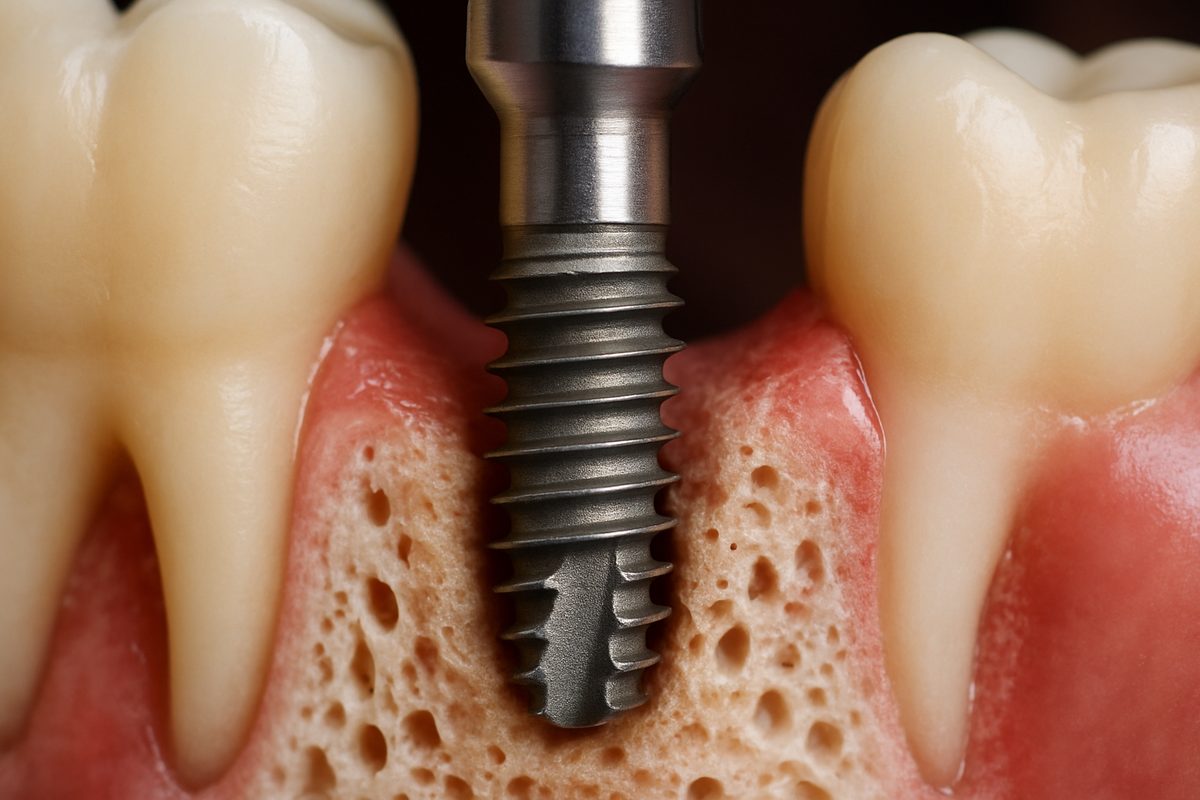
“Screw in teeth” is a lay term for dental implants. An implant is a screw‑shaped post—usually titanium or zirconia—placed into the jawbone to act like a tooth root. After it fuses with bone, the post supports a visible crown, bridge, or denture. People also call them implant posts, implants, or screw‑retained teeth.
Main Types Of Dental Implants
Endosteal (Conventional) Implants
Endosteal implants are the most common. A single screw‑shaped post is placed into the jawbone for one missing tooth. After healing, an abutment and crown attach to the post. These work well for most patients with enough bone.
Mini Dental Implants
Mini implants are narrower posts used when space is tight or when bone volume is limited. They’re less invasive and sometimes used to stabilize lower dentures. They can be a good temporary or lower‑cost option, but may not suit all long‑term needs.
All‑on‑4 / Full‑Arch Implant Solutions
All‑on‑4 uses four strategically placed implants to support an entire arch of teeth. This approach replaces many missing teeth with a single fixed prosthesis. It’s efficient for patients who want fixed teeth and can reduce the need for multiple implants.
Zygomatic And Pterygoid Implants (Advanced Options)
For severe upper-jaw bone loss, zygomatic implants anchor into the zygomatic bone (cheekbone). Pterygoid implants use the pterygomaxillary region for back‑of‑mouth support. These advanced options allow full‑arch rehabilitation without extensive bone grafting.
How Implant Restorations Work
An implant restoration has three parts: the implant post (the screw in the bone), an abutment (the connector), and the crown, bridge, or denture (the visible tooth). After placement, the bone must heal and fuse to the post in a process called osseointegration. That healing usually takes several months before the final restoration is attached.
Who Is A Good Candidate?
Good candidates are generally in good health, have enough bone or are willing to have grafting, and commit to oral hygiene. Non‑smokers do best, but smokers can still qualify if they quit. Certain medical conditions or medications can affect healing, so a full evaluation is needed.
Benefits And Risks
Main Benefits
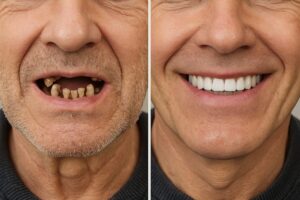
Implants restore chewing and speech, feel like natural teeth, and help preserve jawbone by replacing the tooth root. They are often more durable and comfortable than removable dentures and can improve confidence and nutrition.
Potential Risks And Complications
Risks include infection, failure of the implant to integrate, nerve or sinus injury, and issues with surrounding teeth. Most risks are small when treatment is planned and done by experienced providers using modern imaging and sterile techniques.
What To Expect During The Process
Expect these steps: a consultation with exam and imaging, a tailored treatment plan, implant placement surgery, a healing phase for osseointegration, and then the final restoration. Timelines vary—single implants may take a few months; some full‑arch protocols offer faster temporary teeth during healing.
Materials And Longevity
Most posts are titanium because they integrate reliably with bone. Zirconia implants are metal‑free and attractive for those with metal sensitivity. With good care, implants can last decades. Success depends on bone quality, oral hygiene, and regular dental checkups.
Costs And Insurance Basics
Cost factors include the type and number of implants, need for bone grafts or extractions, the complexity of the case, and local pricing. Insurance coverage varies—some plans cover parts of the restoration but not the implant itself. Ask your clinic about detailed estimates and financing plans.
Aftercare And Maintenance
Treat implants like natural teeth: brush twice daily, floss or use interdental brushes, and see your dentist regularly. Report pain, looseness, swelling, or persistent bleeding right away. Early attention to problems helps prevent implant loss.
When To See A Specialist
See a board‑certified implant specialist for complex cases, severe bone loss, or full‑arch solutions like All‑on‑4 or zygomatic implants. Specialists use advanced imaging and surgical skills to manage risk and improve outcomes.
About Beyond Dental & Implant Center
Beyond Dental & Implant Center in Dallas, TX, offers advanced implant options, including All‑on‑4, zygomatic, and pterygoid implants, plus digital planning and board‑certified expertise. Dr. Cory Nguyen leads care with advanced training in implantology and a team focused on comfortable, evidence‑based treatment.
Next Steps / Call To Action
If you’re still wondering what screw in teeth are called for your specific situation, schedule a consultation to review your options. A clinic visit includes imaging and a personalized plan that covers implant type, timeline, costs, and financing. Book a consult to learn which implant option best fits your health, budget, and smile goals.