
Tooth surgery can sound scary, but it’s a broad term that covers many procedures used to restore your mouth’s health and function. People consider tooth surgery for severe decay, broken teeth, long-term tooth loss, or when dentures aren’t working. Options include simple extractions, dental implants, All-on-4 full-arch solutions, and advanced options such as zygomatic or pterygoid implants. If you’re in Dallas, TX and weighing options, this guide explains what tooth surgery in Dallas, TX looks like, typical risks, recovery, and how to decide what’s best.
What “tooth surgery” covers
Tooth surgery includes removing teeth (extractions), placing dental implants, building bone with grafts, lifting the sinus floor, and full-mouth rehabilitation. Tooth surgery in Dallas, TX can restore chewing, speech, and the look of your smile. It can also stop ongoing infections and protect nearby teeth. Modern techniques aim to make these procedures predictable and comfortable.
When is tooth surgery recommended?
Tooth surgery in Dallas, TX, is often recommended for teeth that are badly decayed, fractured, or infected beyond repair. It’s also used when people have lost teeth long ago and need implants, or when severe bone loss makes other solutions impossible without surgery. Recurrent infections, non-restorable teeth, or complex bite and airway problems can also lead a dentist to recommend surgery.
Types of dental implant options for tooth surgery
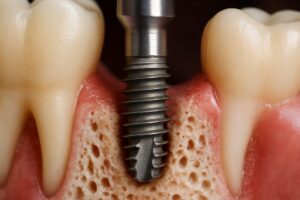
Dental implants are a common surgical option for replacing missing teeth. Below are the main implant choices you may hear about.
Conventional single-tooth implants
Single-tooth implants replace one or a few missing teeth. They look and feel natural and have high long-term success when placed by experienced teams. These are often best when you have enough bone and want a fixed, long-lasting solution.
All-on-4 full-arch implants
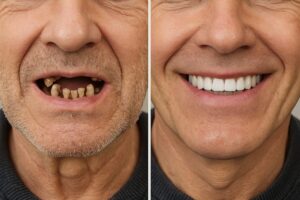
All-on-4 uses four implants to support a whole arch of teeth. This option is faster than rebuilding with many implants and provides more stable function than removable dentures. It’s a common choice for people seeking full-mouth rehabilitation.
Zygomatic and pterygoid implants
For those with severe bone loss in the upper jaw, zygomatic and pterygoid implants anchor into stronger bone areas (the cheekbone or the pterygoid region) and often avoid lengthy grafting procedures. These implants can enable full-arch restorations when traditional implants aren’t possible.
What to expect during and after tooth surgery
Expect pre-op planning with X-rays or CBCT scans and digital impressions. Anesthesia options range from local numbing to IV sedation, depending on the case. Procedures vary by type but often include placing implants or removing teeth with careful tissue management. After surgery, you’ll get instructions on pain control, soft foods, oral hygiene, and follow-up visits. Most swelling and soreness reduce in a few days; full healing and bone integration take months.
Risks, complications, and how to reduce them
Common risks include infection, swelling, temporary nerve irritation, and rare implant failure. Choosing an experienced implant team, using thorough imaging and digital planning, and following post-op care lowers those risks. Tell your surgeon about all health conditions and medications you take before surgery to reduce the risk of complications.
How to decide if tooth surgery is right for you
Consider your overall health, bone health, oral hygiene, goals, and budget. Alternatives include bridges, removable dentures, or orthodontics. A personalized treatment plan following a full exam and imaging will determine whether tooth surgery in Dallas, TX, is the best option and which implant option best fits your needs.
Why choose a specialized implant team for complex tooth surgery
Complex cases benefit from board-certified implant specialists, Diplomate-level training, digital workflows, and experience with zygomatic/pterygoid implants. Beyond Dental & Implant Center — Dallas, TX offers these capabilities, with experienced doctors, advanced planning tools, and financing options to help patients complete care under one roof.
Preparing for your tooth surgery consultation
Bring your medical history, list of medications, and any prior dental records or X-rays. Ask about the doctor’s experience with specific implants, expected timeline, recovery, and total costs. Next steps usually include imaging, a written treatment plan, and scheduling the procedure if you decide to move forward.