
How to Avoid Food Traps in Your Teeth
Simple daily habits can reduce food trapping and the need for dental fixes.
Small changes in brushing, cleaning between teeth, and what you eat help keep gaps clear and gums healthy.
Brush with the right technique
Use a soft-bristled brush twice a day, angling the bristles toward the gumline. Gently sweep along each tooth and the spaces between teeth to dislodge trapped bits. Spend at least two minutes brushing, and don’t rush the back teeth where food often hides.
Flossing and interdental tools
Floss once a day using regular floss or floss picks to clean tight contacts. For bridges or places where floss is hard to use, try a floss threader. Interdental brushes work well for wider spaces, and water flossers can be a good option for people who find string floss difficult.
Rinse and chew wisely
Rinse with water or an antibacterial mouth rinse after meals when you can’t floss right away. Chew slowly and avoid forcing food into gaps. Taking smaller bites and chewing on both sides of your mouth can reduce the risk of food getting pushed into spaces.
Watch your food and habits
Sticky, fibrous, or seedy foods like caramel, celery, and berries are common culprits. Cut food into smaller pieces and avoid biting directly into tough or fibrous items when possible. If you have dental work or gaps, choose softer options or trim difficult foods first.
Use temporary fixes when needed
When flossing isn’t possible, use sugar-free gum to help dislodge bits, or rinse vigorously with water right after eating. Dental picks or single-use interdental brushes are handy to carry. These quick fixes stop food from staying trapped long enough to irritate gums.
Persistent trapping can signal a problem that needs professional care. If home habits don’t solve the issue, a dental visit can identify the cause and offer lasting solutions.
Signs it’s time for a visit
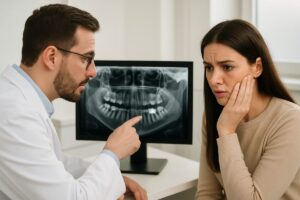
Look for pain when you chew, bleeding gums after cleaning, recurring bad breath, or food that won’t come out with flossing and rinsing. If trapped food leads to repeated irritation, swelling, or sensitivity, schedule an exam—these are red flags that need attention.
What your dentist will check
Your dentist will examine your bite and tooth alignment, check for gaps or shifting teeth, and inspect crowns, fillings, or bridges for poor fit. They’ll also assess gum health and look for decay or signs of bone loss that can create or worsen spaces where food lodges.
Treatments your dentist may recommend
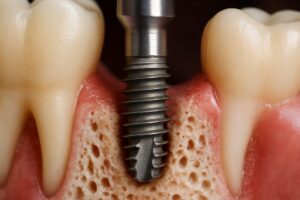
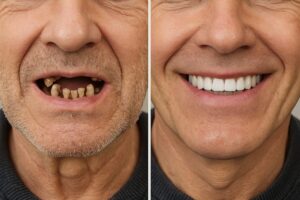
Possible options include adjusting or replacing crowns and fillings, bonding or reshaping teeth, orthodontic treatment to close gaps, and implants or bridges for missing teeth. The right approach depends on the cause—your dentist will explain how each option ties back to prevention and comfort.
Get local help
If you want guidance on preventing food from getting stuck between your teeth in Dallas, TX, schedule a checkup for tailored advice and treatment options. A short exam and targeted care can stop ongoing problems and protect your gums and teeth.