Teeth surgery covers a range of procedures that fix serious tooth, jaw, or bite problems that routine dental care can’t solve. It often refers to treatments like dental implants, full-arch reconstruction, and other surgical solutions that restore function, relieve pain, and improve appearance. If you’re exploring options, this post explains what teeth surgery is, common types, who’s a good candidate, what to expect, recovery, costs, alternatives, and how to choose a provider. We’ll also touch on teeth surgery in Dallas, TX for local context.
What Is Teeth Surgery?
Teeth surgery means any dental operation that requires cutting, drilling, or placing implants to treat major problems. It differs from routine care—like fillings or cleanings—because it’s surgical and often planned with imaging and anesthesia. Typical goals include replacing missing teeth, fixing a bad bite, stopping ongoing pain, and restoring chewing and speech. Teeth surgery aims to return lasting function and a natural look, not just a quick fix.
Common Types of Teeth Surgery
Dental implants (single and multiple)
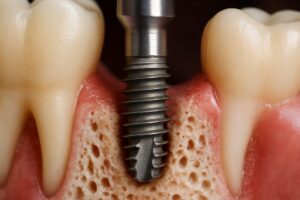
Dental implants are titanium posts placed into the jaw to hold crowns, bridges, or dentures. Single implants replace one tooth, while multiple implants can support bridges or sections of teeth. Implants act like roots and keep bone healthy. For many people, implants feel and work like natural teeth and are a long-term solution for missing teeth.
All-on-4 and full-arch reconstruction
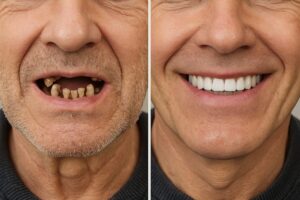
All-on-4 uses four implants to support a full-arch prosthetic and is a common choice for people missing most or all teeth. It often reduces treatment time and cost versus replacing each tooth. Full-arch reconstruction may include extractions, implants, and custom prosthetics to restore an entire upper or lower jaw for better chewing, speech, and smile appearance.
Zygomatic and pterygoid implants
Zygomatic and pterygoid implants are advanced options for patients with severe jaw bone loss. Instead of relying on the jawbone, these longer implants secure into stronger facial bones like the cheekbone. They often avoid the need for bone grafts and let patients receive stable, immediate-support prosthetics even with limited bone.
Who Is a Good Candidate for Teeth Surgery in Dallas, TX
Good candidates are generally adults in reasonable health who need durable tooth replacement or jaw reconstruction. Key factors include sufficient bone volume (or willingness to consider grafts or advanced implants), controlled gum disease, and the ability to follow post-op care. Smoking, certain medical conditions, and poor oral hygiene can raise risks. Age alone isn’t a barrier—many healthy seniors benefit—while complex cases may need a board-certified specialist.
How To Prepare for Teeth Surgery
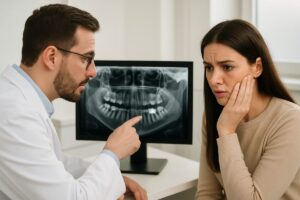
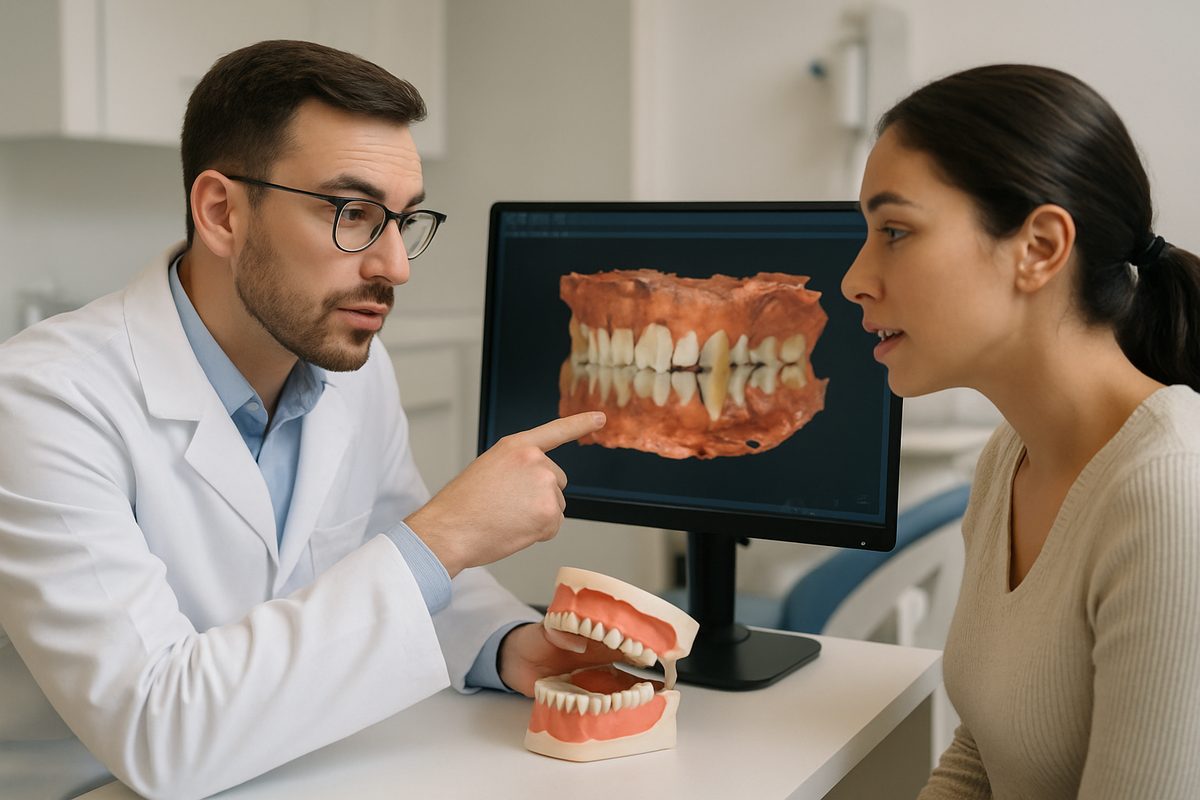
Preparation begins with a full medical and dental review, plus 3D imaging like CBCT to plan implant placement. Your clinician may ask you to stop certain medications, arrange transportation, and plan soft foods for recovery. Discuss anesthesia options and any health conditions that affect healing. Clear communication about expectations, costs, and follow-up visits makes surgery smoother and safer.
What to Expect During Teeth Surgery in Dallas, TX
On surgery day, you’ll meet the team, confirm the plan, and receive local anesthesia, IV sedation, or general anesthesia as needed. The surgeon will place implants or perform other procedures per the plan—this can take one hour or several, depending on complexity. After surgery, expect gauze, brief monitoring, and instructions for pain control, diet, and oral care. Most patients go home the same day with a care plan.
Recovery, Risks, and Long-Term Care
Typical recovery timeline
The first 24–72 hours often involve swelling, bruising, and mild to moderate discomfort that improves with meds and rest. The first week typically sees reduced swelling and a gradual return to normal activities. Bone integrates with implants over months; full healing and final restorations usually take 3–6 months.
Possible complications
Complications are rare but can include infection, implant failure, sinus issues, or nerve irritation. Contact your provider if you have heavy bleeding, spreading swelling, severe pain not controlled by medication, or numbness that persists. Early care and follow-up reduce the chance of long-term problems.
Maintaining results
Protect your investment with daily brushing and flossing, avoiding very hard foods on new restorations, and keeping routine dental cleanings and exams. Regular checkups let your dentist monitor implant health and the stability of prosthetics for years to come.
Cost, Insurance, and Financing for Teeth Surgery in Dallas, TX
Costs vary widely based on the procedure: single implants cost less than full-arch reconstructions or advanced zygomatic implants. Factors include the number of implants, need for bone grafting, materials, and clinician expertise. Dental insurance often covers part of surgical fees but rarely full implant costs. Many practices offer payment plans or third-party financing to make treatment more affordable.
Alternatives to Teeth Surgery
Non-surgical options include traditional bridges, removable partials, and full dentures. These can be less expensive and quicker but may not preserve bone or offer the same stability and comfort as implants. For some patients, a bridge or denture is a practical short-term or long-term choice, especially when surgery isn’t possible.
How to Choose the Right Provider for Teeth Surgery
Ask about training, board certifications, and implant case experience. Request to see before-and-after photos and read patient reviews. Confirm use of 3D imaging and modern planning tools, and ask about sedation options and clear treatment timelines. A thorough consult with a transparent treatment plan is key.
Why Consider Beyond Dental & Implant Center for Teeth Surgery in Dallas, TX
Beyond Dental & Implant Center offers comprehensive care under one roof with board-certified implant expertise and advanced options like All-on-4, zygomatic, and pterygoid implants. Dr. Cory Nguyen leads the Dallas team and brings advanced training in implantology and sleep medicine. The practice emphasizes evidence-based planning, digital workflows, and personalized care so patients can complete complex treatment without multiple referrals.
Next Steps and Call to Action
If you’re considering teeth surgery, schedule a consultation to review your health history, imaging, and options. Bring any dental records, a list of medications, and questions about recovery and costs. A clear treatment plan and financing options can help you move forward with confidence. Contact the office to book a personalized evaluation and find the best path to restore your smile and function.