Installing dental implants covers the whole path from the first consultation and digital planning to the surgical placement, healing, and final crowns or bridges.
When considering installing dental implants in Dallas, TX, expect a timeline from a few months to a year, depending on extractions, grafting, and healing. Most patients tolerate the process well with local anesthesia and mild sedation, and the end result is a stable, natural-feeling tooth or set of teeth that restores chewing, speech, and confidence.
Is installing dental implants right for you?
Good candidates have one or more missing teeth, healthy gums, and enough jawbone to hold an implant. If bone is low, grafting or advanced implant types can help. People choose implants for better chewing, long-term stability, and improved appearance compared with dentures or bridges. Your overall health, smoking status, and blood sugar control also affect candidacy.
Initial consultation and digital planning
Oral exam and 3D imaging
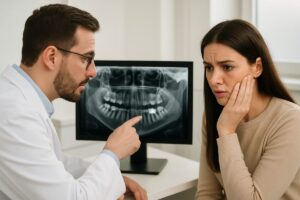
Your team will do an exam, take photos, and use CBCT 3D scans plus digital impressions. These images show bone volume, nerve location, and sinus anatomy. Digital planning helps determine the ideal implant position and reduces surprises during surgery.
Treatment options and timeline
Options include single-tooth implants, multiple implants with crowns or bridges, and full-arch solutions like All-on-4. Single implants may take 3–6 months from placement to final crown. Full-arch work can be done faster with immediate-load protocols, but complex cases may need staged treatment and more healing time. Planning sets clear expectations for visits and recovery.
Preparing your mouth before surgery
Treating infections and extractions
Any active decay or gum infection is treated before implant placement. Extractions may be done weeks to months before implants, or in some cases, an implant is placed immediately after removal. Timing depends on infection, bone quality, and aesthetic needs.
Bone grafts and sinus lifts
If the bone is thin, grafting or a sinus lift can rebuild volume. Grafts add healing time—often 3–6 months—before an implant can be placed. Some patients qualify for alternative implant strategies that avoid lengthy grafting.
What happens during the implant surgery
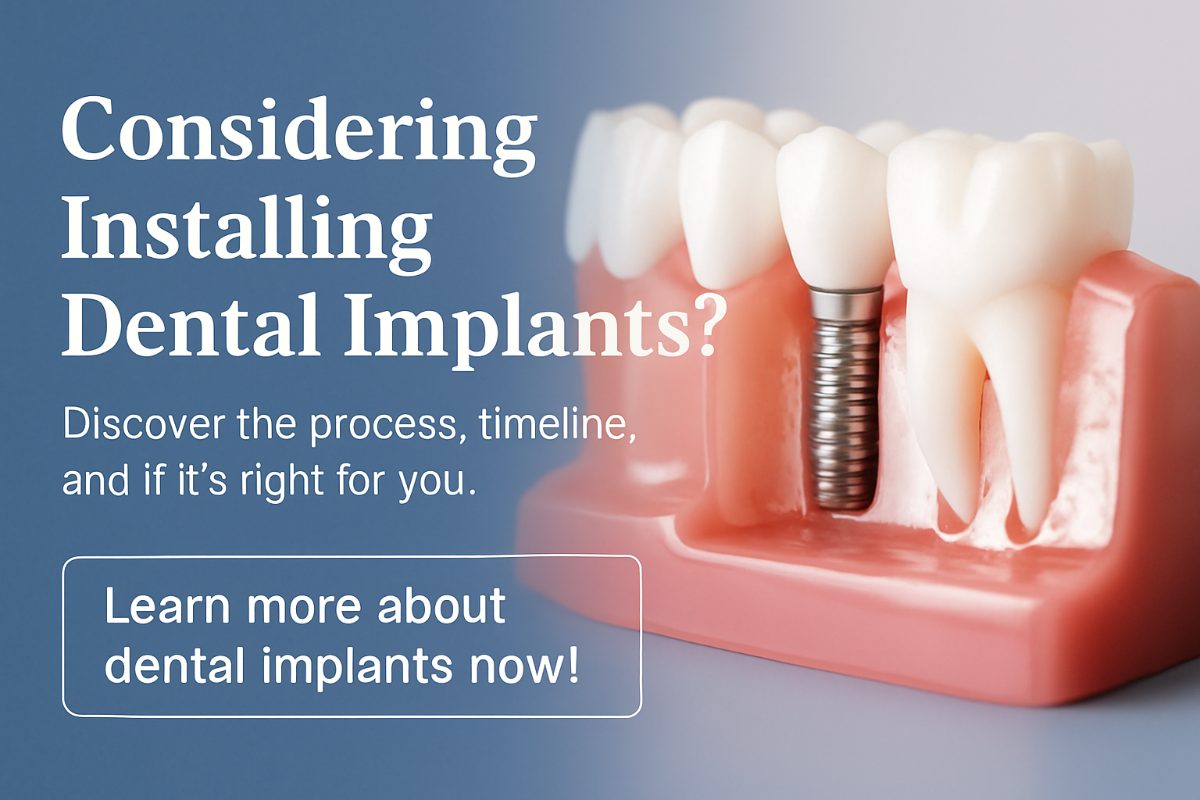
Surgery usually involves local anesthesia and optional sedation. The dentist exposes the bone, places the titanium implant, and closes the site. A healing cap or temporary tooth may be attached. Most procedures are outpatient and take one to a few hours.
Types of implant procedures
Conventional implants are common for routine cases. All-on-4 supports a full arch with fewer implants and often allows immediate temporary teeth. Zygomatic and pterygoid implants anchor to different bones for patients with severe jawbone loss and are used in specialized centers.
Recovery, healing, and getting your final tooth
Healing timeline and osseointegration
Osseointegration is the process where bone bonds to the implant; this usually takes several weeks to months. Once integrated, the final crown, bridge, or denture is attached. Healing varies by site, grafting, and patient health.
Aftercare: pain, diet, and follow-ups
Expect mild pain and swelling for a few days. Eat soft foods, avoid smoking, and maintain good oral hygiene. Follow-up visits check healing and take impressions for the final restoration.
Risks, success rates, and how to reduce complications
Risks include infection, nerve irritation, and, rarely, implant failure. Success rates are high—often over 95%—when patients follow care instructions and manage health issues. Avoid smoking, control diabetes, and work with a trained implant team to lower risks.
Costs, insurance, and payment options
Major cost drivers are the number of implants, grafting, and the type of final restoration. Insurance may cover parts of treatment; many practices offer financing, payment plans, or third-party lenders to spread costs.
How specialized teams improve outcomes
Digital workflows, board-certified implant training, and multidisciplinary care (surgery + restorative planning) increase predictability. Specialized teams handle complex cases like zygomatic or pterygoid implants with higher success and fewer surprises.
About Beyond Dental & Implant Center and next steps
Beyond Dental & Implant Center in Dallas, TX, offers advanced implant care led by Dr. Cory Nguyen, who holds Diplomate-level credentials and board-recognized implant training.
The practice provides All-on-4, zygomatic, and pterygoid implant solutions and uses digital planning to improve comfort and results. Financing options are available. To learn if installing dental implants in Dallas, TX is right for you, schedule a consultation with the team to review your images and get a personalized plan.