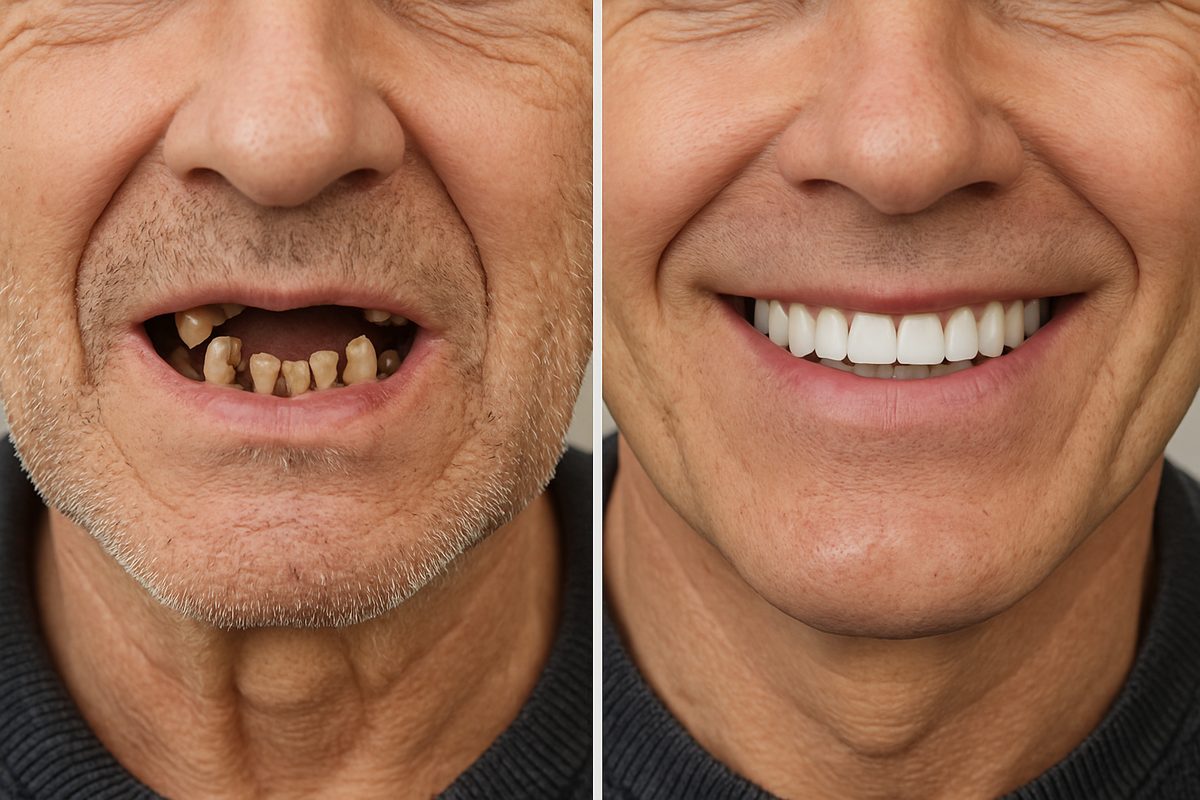
A whole set of teeth implants replaces an entire upper or lower row of teeth with fixed implant-supported restorations. People who struggle with failing teeth, loose dentures, or severe tooth loss often consider a whole set of teeth implants. This post explains what full-arch solutions are, the main treatment types, how candidates are evaluated, what to expect during treatment, the benefits and risks, costs, and aftercare, plus common patient questions about a full set of teeth implants in Dallas, TX.
What “Whole Set of Teeth Implants” Means
A “whole set of teeth implants” refers to full-arch or full-mouth implant restorations that restore all teeth on one or both jaws. Terms you may hear include full-arch restoration, all-on-4, and implant-supported dentures. These solutions anchor a prosthetic arch to dental implants rather than relying solely on the gums. Patients with many failing teeth, extensive decay, or difficulty wearing removable dentures are typical candidates for a full set of dental implants in Dallas, TX.
Types of Whole Set Treatments
All-on-4 and All-on-6
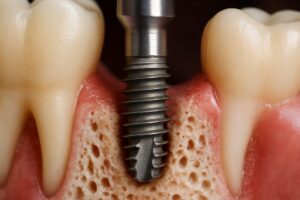
All-on-4 and All-on-6 use four or six implants to support a full arch. The idea is to place fewer implants strategically to give stable support. Pros include faster treatment time, often same-day temporary teeth, and less surgical complexity. Ideal candidates want fixed teeth quickly and have enough bone in key areas.
Zygomatic and Pterygoid Implants
For patients with severe upper jaw bone loss, zygomatic implants anchor into the cheekbone, and pterygoid implants engage the posterior maxilla. These advanced options reduce or eliminate the need for bone grafting and allow a full set of dental implants in Dallas, TX, for people previously told they lacked bone.
Conventional Full-Arch With Multiple Implants
Some cases use more implants across the arch for extra stability or custom bite requirements. This conventional approach may suit patients who want maximal support or have complex occlusion needs.
How Dentists Evaluate Candidates for a Whole Set of Teeth Implants
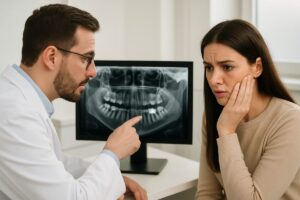
Evaluation starts with medical and dental history, oral exam, and 3D imaging (CBCT). Bite and airway assessments help plan function and comfort. The team checks gum health, bone volume, and other factors, such as diabetes or smoking, that affect healing.
Step-by-Step: What to Expect During Treatment
Planning and Digital Workflow
Digital planning and surgical guides map implant positions and prosthetic outcomes. Many practices use CAD/CAM designs and temporary restorations to test fit and appearance before final prosthetics.
Surgery and Immediate vs. Delayed Loading
Surgery places implants under anesthesia. Some patients receive immediate temporary fixed teeth (immediate loading); others wait for healing (delayed loading). The choice depends on bone quality, implant stability, and health factors.
Recovery and Follow-Up
Recovery includes swelling and mild discomfort for a few days, a soft-food diet for the first few days, and follow-up checks to monitor healing. Full integration usually takes a few months before final restorations are placed.
Benefits and Risks of Choosing a Whole Set of Teeth Implants
Benefits: improved chewing, natural appearance, bone preservation, and stable long-term results. Risks: infection, implant failure, prosthetic problems, and need for additional procedures. Many risks are managed with careful planning, good oral hygiene, and regular follow-up.
Cost, Insurance, and Financing Options
Costs vary by technique, materials, and whether bone grafting or advanced implants (zygomatic/pterygoid) are needed. Insurance may cover parts like extractions, but often not the full implant prosthesis. Financing plans and medical lending are common ways patients can afford a full set of dental implants in Dallas, TX.
Aftercare: How to Make a Whole Set of Teeth Implants Last
Brush and floss daily, use recommended interdental tools, and see your dentist every 3–6 months. Avoid hard habits and report any loosening, pain, or swelling early.
Common Questions Patients Ask About a Whole Set of Teeth Implants
Will it hurt? Most patients have manageable discomfort. How long do they last?
With care, 10–30+ years. Can smokers get them?
Smoking raises risks and may need cessation. Is there an age limit?
Health matters more than age.
About Beyond Dental & Implant Center
Beyond Dental & Implant Center in Dallas, TX, offers advanced implant care under one roof. The team uses digital workflows and has expertise with zygomatic and pterygoid implants, full-mouth rehabilitation, and airway-informed planning. Dr. Cory Nguyen leads a patient-centered approach with board-level implant credentials.
Next Steps / Call to Action
If you’re considering a whole set of teeth implants in Dallas, TX, book a consultation to review options, view financing, and get a personalized plan. A consultation will clarify whether full-arch implants are the right path for your smile and health.