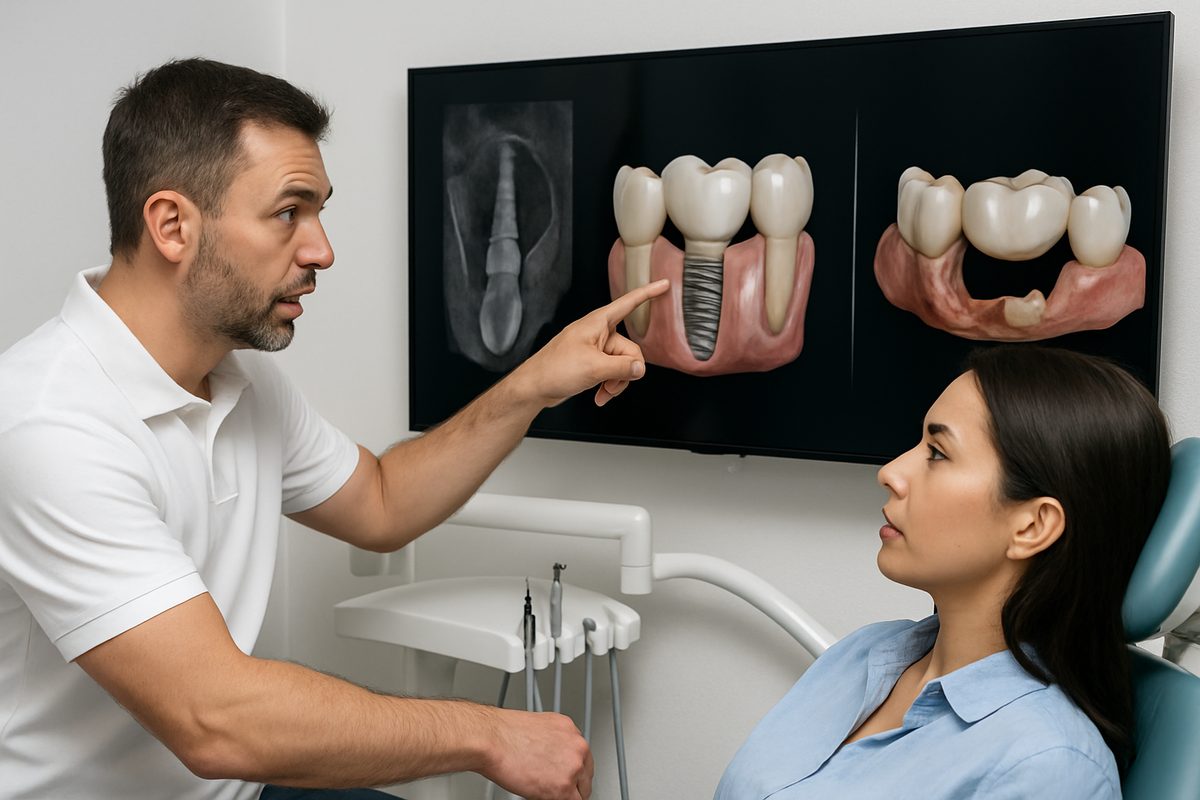
A dental implantation procedure is the surgical process used to replace one or more missing teeth with implant-supported restorations. This post explains the procedure, common implant types, the step-by-step treatment process, who is a good candidate, risks and recovery, costs and financing, and how to choose the right provider. Read this if you’re considering implants, want to understand the steps, or need to know what to expect after surgery.
What is the dental implantation procedure?
The dental implantation procedure places a titanium screw into the jawbone to act as a tooth root. Once the implant fuses with bone, a tooth-shaped crown, bridge, or full-arch prosthesis is attached. The goal is a stable, long-lasting replacement that looks and functions like a natural tooth.
Common implant types
– Single-tooth implants: replace one missing tooth with an implant and crown.
– Implant-supported bridges: use two or more implants to support multiple replacement teeth.
– All-on-4 full-arch solutions: four implants support a full upper or lower arch for faster, efficient rehabilitation.
– Zygomatic and pterygoid implants: longer implants anchored in the cheekbone or pterygomaxillary regions for patients with severe jawbone loss.
Step-by-step: the dental implantation procedure
Initial consultation and planning
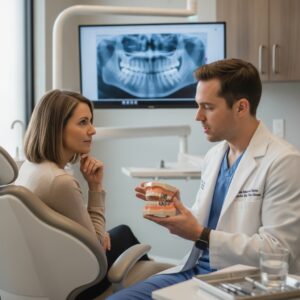
Your dentist reviews medical history, checks gums and teeth, and uses 3D CBCT imaging for precise planning. Digital planning helps map the ideal implant position and determine whether bone grafts or sinus lifts are needed.
Surgical placement
The implant is placed through a small incision in the gum into the jawbone. Local anesthesia, IV sedation, or oral sedation may be offered. If bone is insufficient, grafting or a sinus lift can be done at the same time or beforehand.
Healing and osseointegration
Bone grows around the implant in a process called osseointegration. This usually takes 3–6 months. Temporary crowns or dentures may be used while healing. Normal healing signs include mild swelling and discomfort that lessen over the course of days.
Final restoration
After healing, an abutment connects the implant to a custom crown, bridge, or full-arch prosthesis. The dentist checks bite, fit, and appearance and makes adjustments for comfort and function.
Who is a good candidate for the dental implantation procedure?
Good candidates are generally healthy, have controlled chronic conditions, and maintain good gum health. Adequate bone is important, but grafting can be used to prepare many patients. Smokers, people with poorly controlled diabetes, or those on certain medications may need extra evaluation and management to lower risks.
Risks and how they are managed
Common risks include infection, implant failure, and injury to nerves or sinuses. Modern digital planning, careful surgical technique, and appropriate imaging reduce these risks. Call your provider for persistent pain, swelling, drainage, numbness, or fever.
Recovery, aftercare, and expected timeline
Short-term recovery (first week) includes managing pain and swelling and following a soft-food diet. Follow instructions on oral hygiene and medications. Long-term care means regular brushing, flossing, and dental check-ups. Final prostheses are typically placed after osseointegration, with routine maintenance every 6–12 months.
Costs, insurance, and financing options for the dental implantation procedure
Costs include consultation, imaging, surgery, any grafting, and the final prosthesis. Prices vary by complexity and implant type. Dental insurance may cover parts of the procedure, but often has limits. Many practices offer financing plans, third-party lenders, or payment options to make treatment affordable.
Choosing the right provider and why it matters
Board-certified implant expertise and digital workflows improve accuracy and outcomes in dental implant procedures. Look for a provider with advanced training, 3D imaging, and experience with complex implants. Beyond Dental & Implant Center in Dallas, TX, offers advanced implant solutions, including All-on-4, zygomatic, and pterygoid implants, under the care of board-certified specialists like Dr. Cory Nguyen. In short, a dental implantation procedure can restore function and confidence for many people. If you’re considering implants, schedule a consultation to review your health, imaging, and a personalized treatment plan.